You know only what they knew
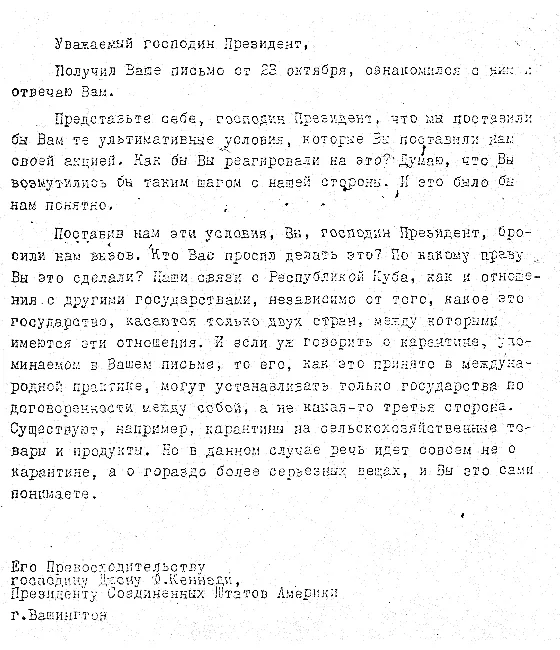
Every step shows what was actually on the desk that morning: a U-2 photo, a letter from Moscow, a map with the latest estimate. Nothing from tomorrow's newspapers, nothing the person could not have known.
Interactive history · Private beta
Worlds puts you inside a real moment of the past with only what people knew at the time. Make the decisions. See where they lead. Then compare your world with what actually happened.
Or open the demo in TelegramHow it works
Every step shows what was actually on the desk that morning: a U-2 photo, a letter from Moscow, a map with the latest estimate. Nothing from tomorrow's newspapers, nothing the person could not have known.
Repeat the real decision and history goes on as it did. Deviate, and the world diverges exactly as far as that choice matters: a small deviation gives a small adjustment, a big one opens a path nobody took. Then history tries to catch up with you.
The Cuban Missile Crisis alone: 56 situations, 134 paths, 11 endings. Every branch was checked by hand.
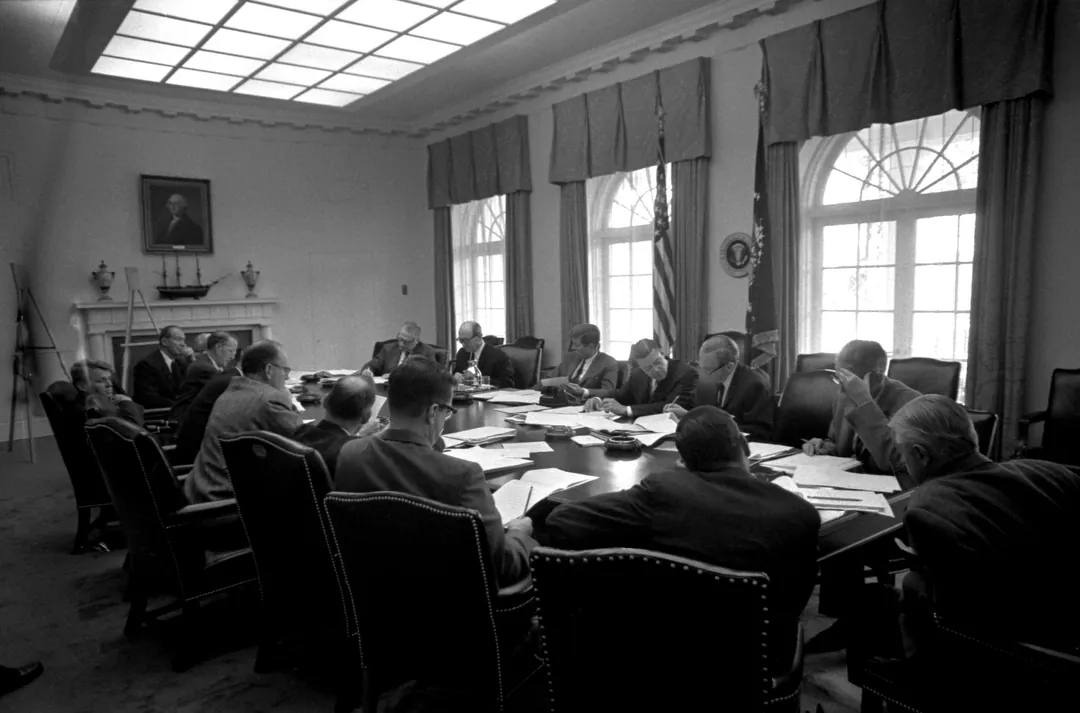
Photographs come from the U.S. National Archives and the JFK Library, letters from the Library of Congress, maps are drawn from declassified estimates. Every image carries its date and credit. Where no photo exists, we say so instead of inventing one.
One step
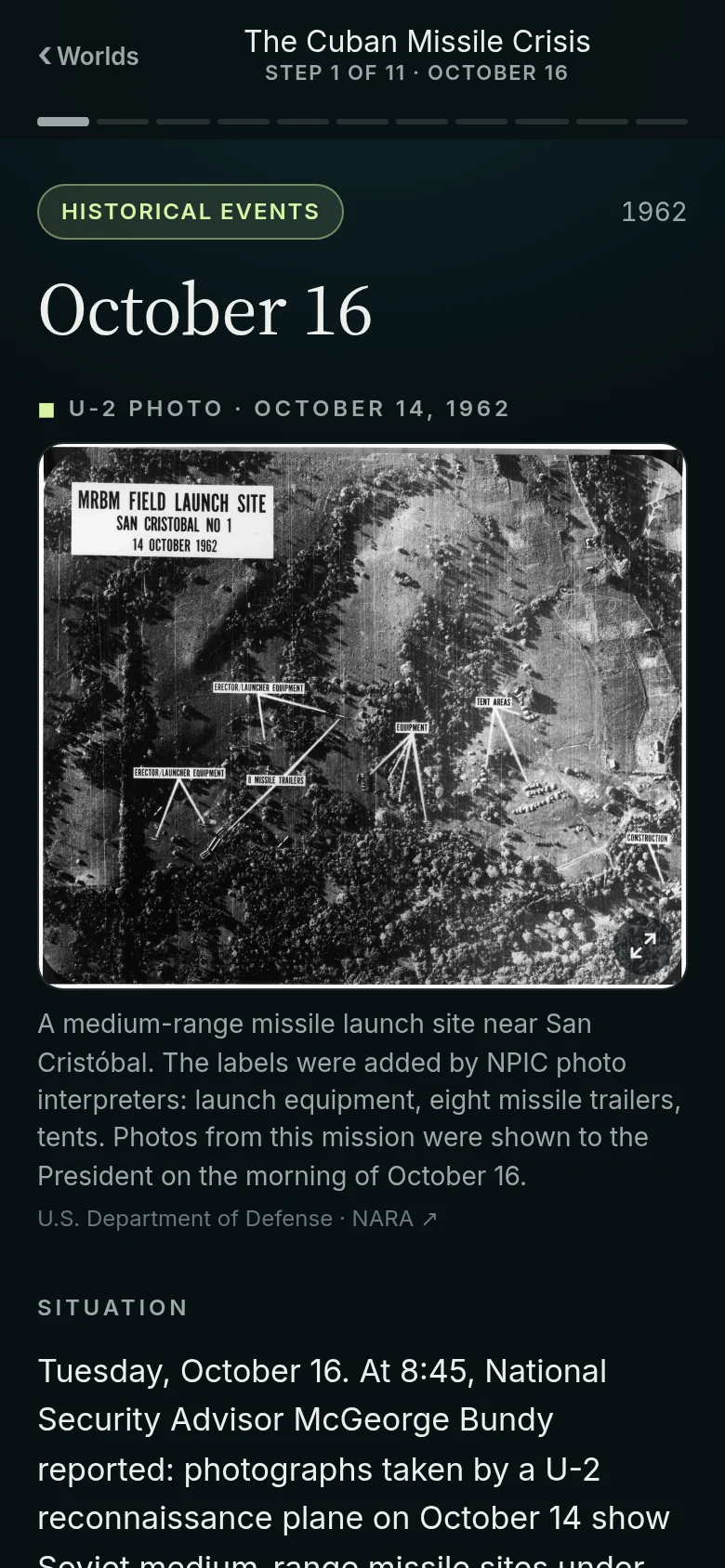
01Situation
Tuesday, October 16, 1962. The photo that was shown to the President that morning, and only what the White House knew by then.
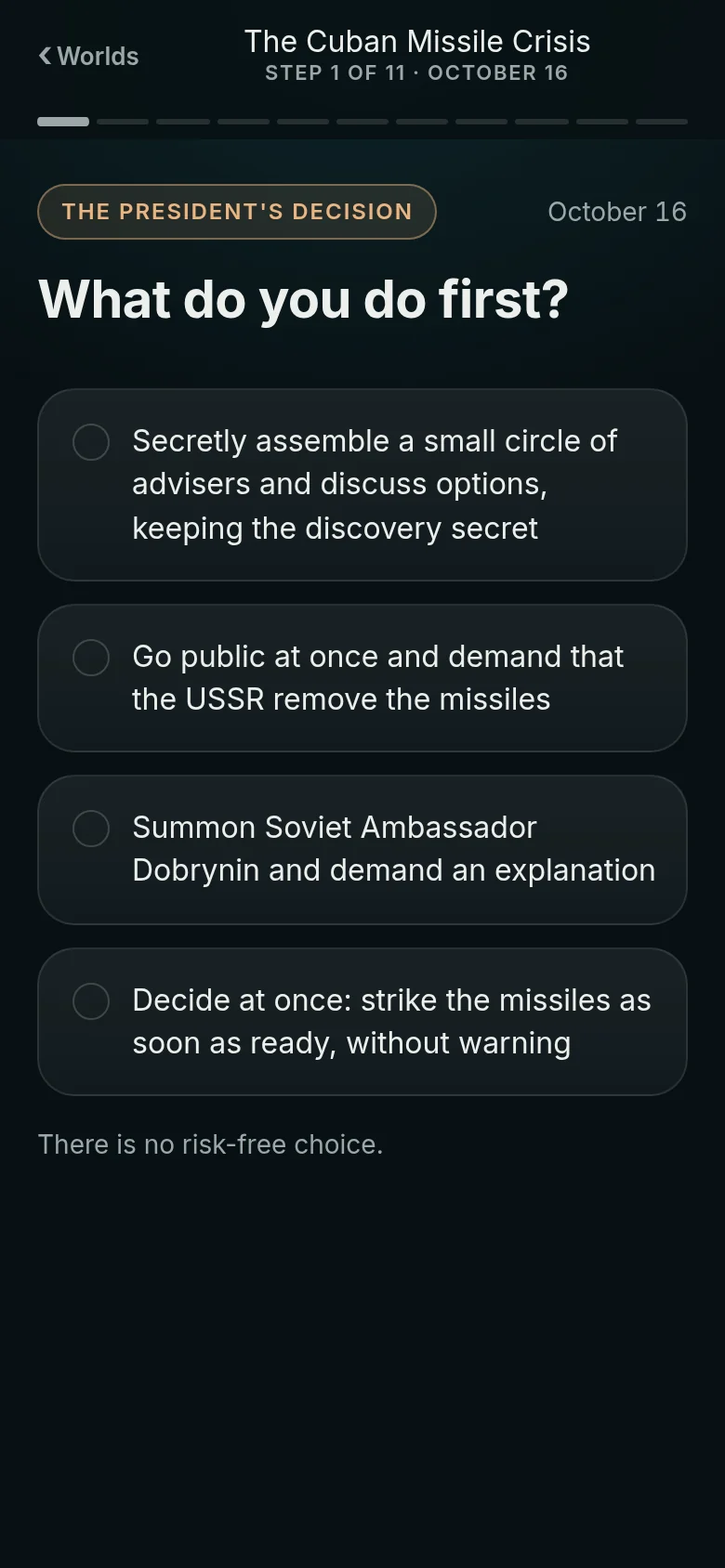
02Decision
Four options and no risk-free one. The historical choice is not marked: you learn what Kennedy did only after you decide.
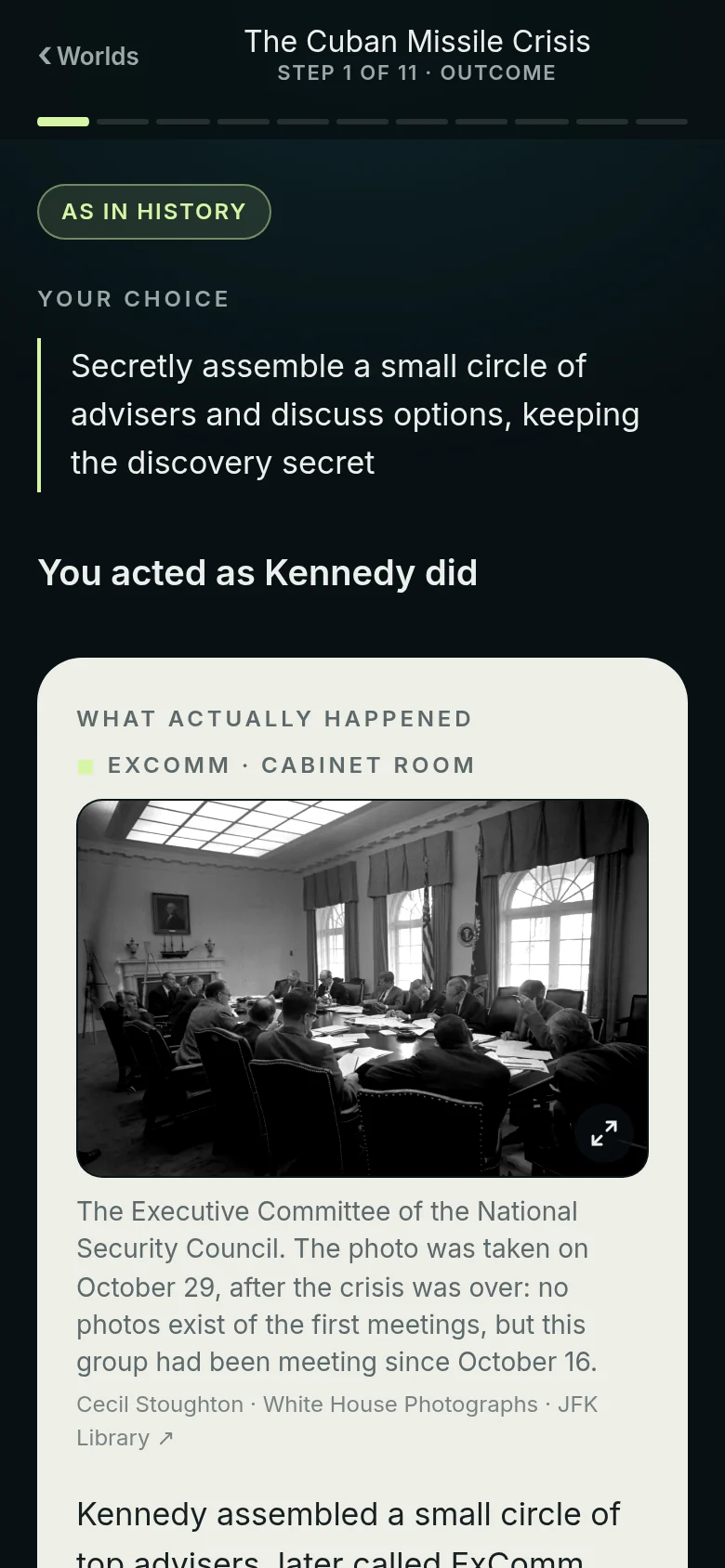
03Outcome
Did you act as Kennedy did? What actually happened, with the photograph and its source. Then the world moves on, and from here it is yours.
Four worlds are open
Each world is a different way to live through history: a crisis with branching outcomes, an investigation, a journey with risk, a reconstruction of causes.
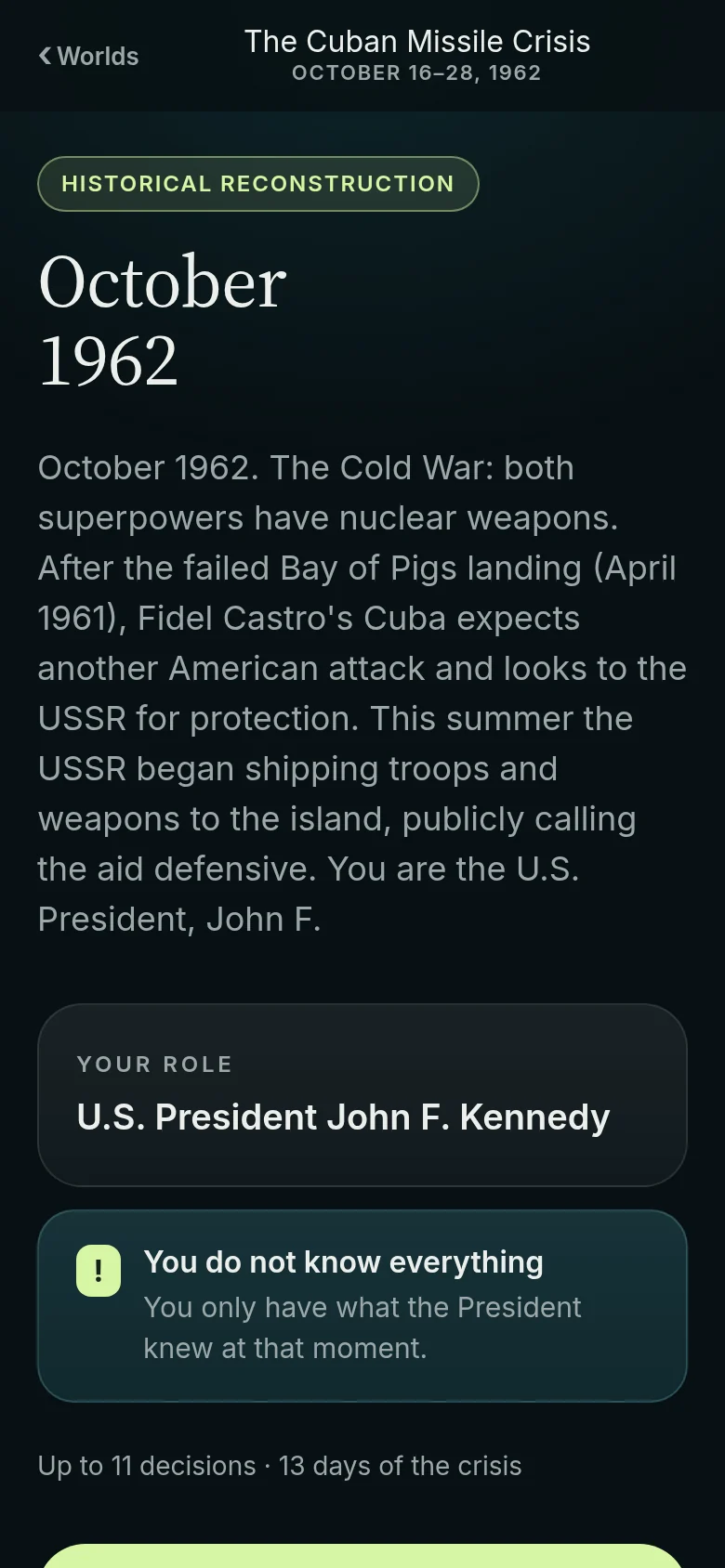
1962 · Washington
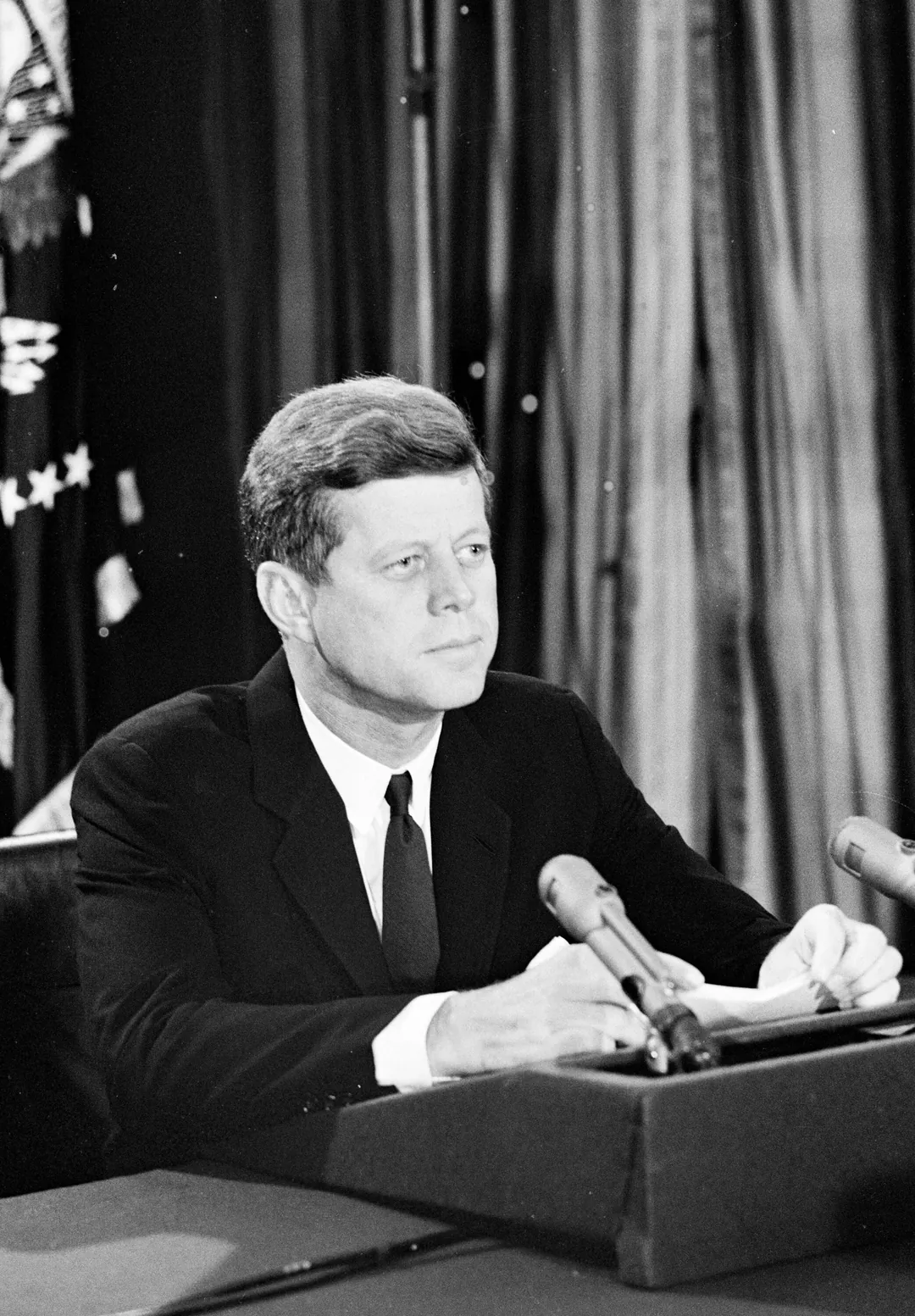
President Kennedy
Thirteen days in October. Your decisions change the world — as far as is plausible.
The world diverges from history: every choice leads along a graph of dozens of outcomes.
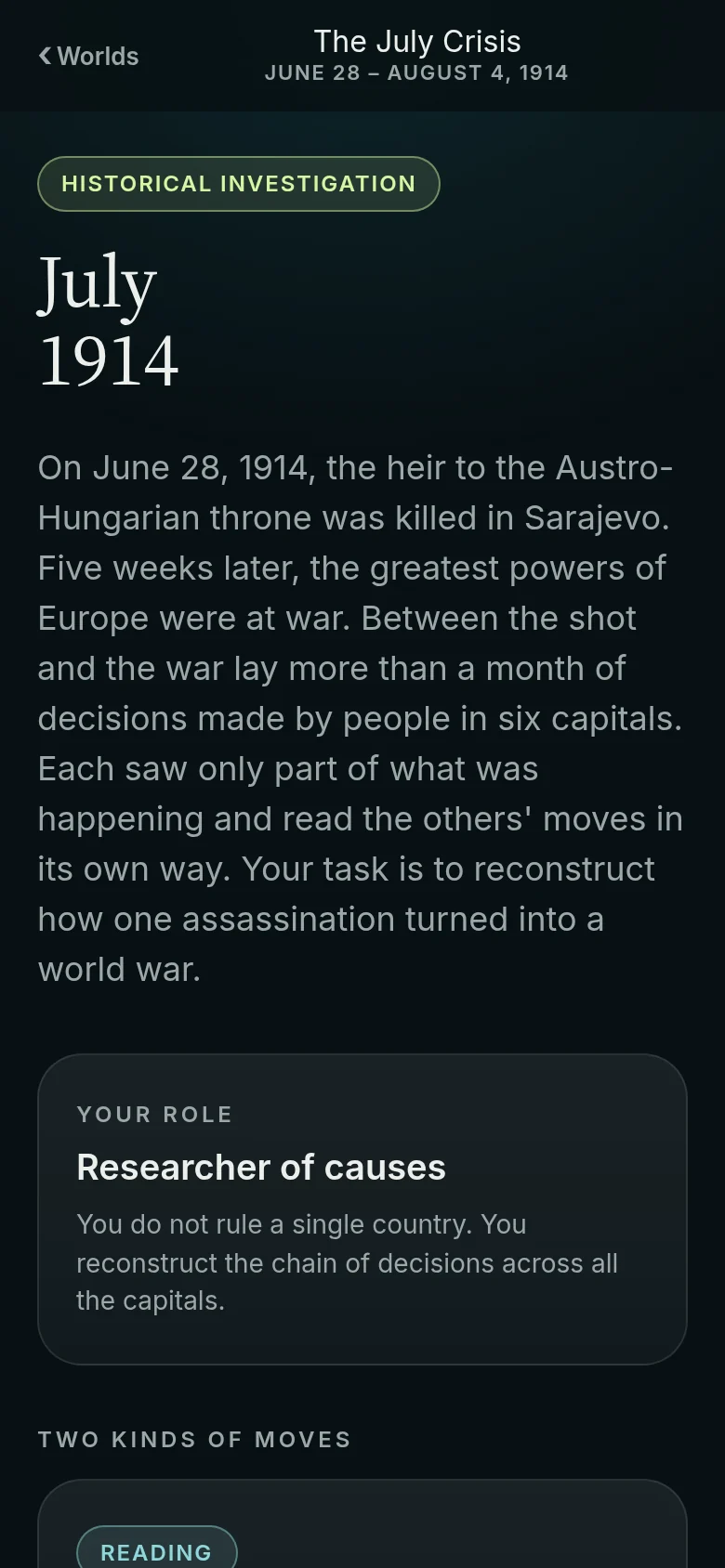
1914 · Europe
Researcher of causes
A month from Sarajevo to war. How the capitals read each other's moves, and where it was possible to stop.
Readings and forks. Real history only: your choice is compared with what was actually decided.
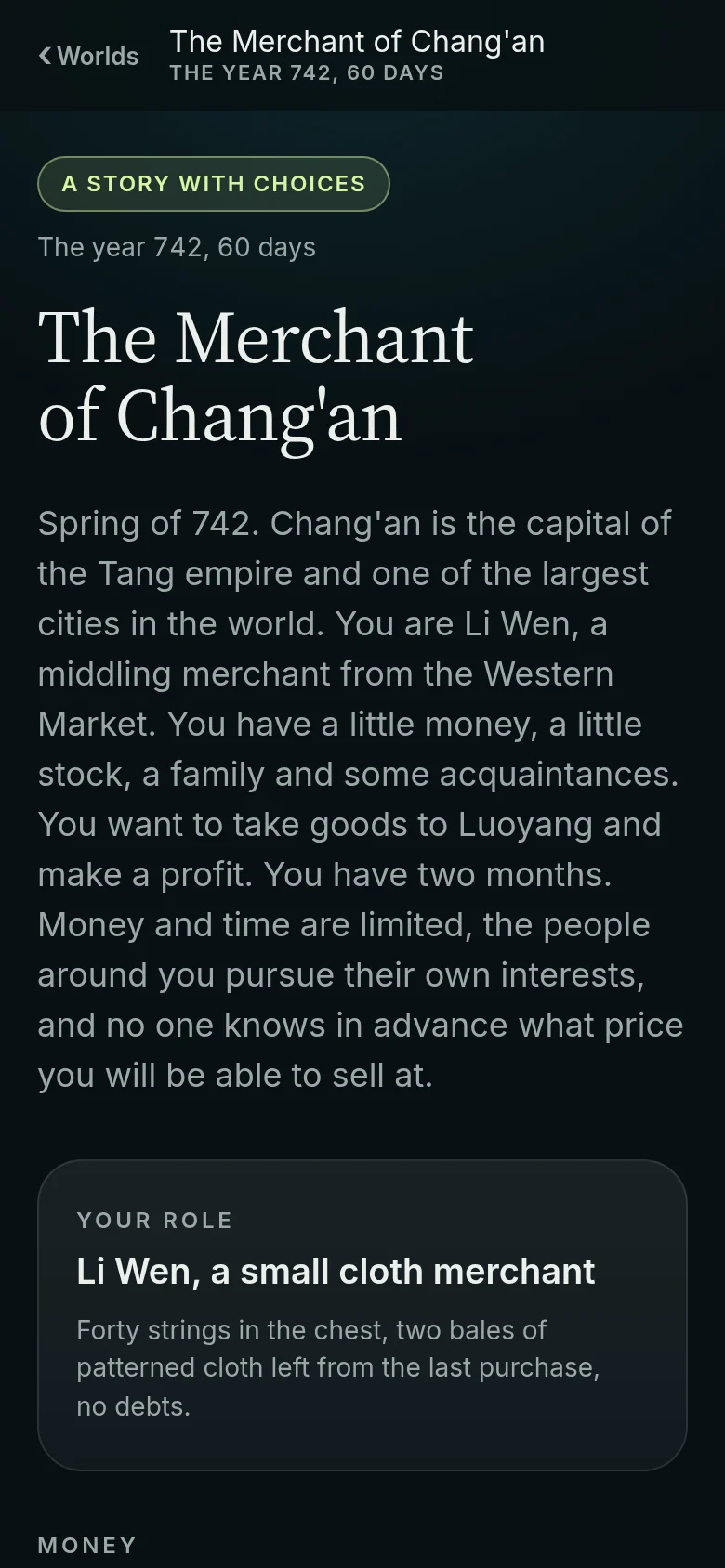
742 · Chang'an
Li Wen, cloth merchant
Buy goods on credit, carry them to Luoyang and sell them so that the family lives to see winter.
Money, the road and haggling. Chance decides the outcome, but the odds are visible in advance.
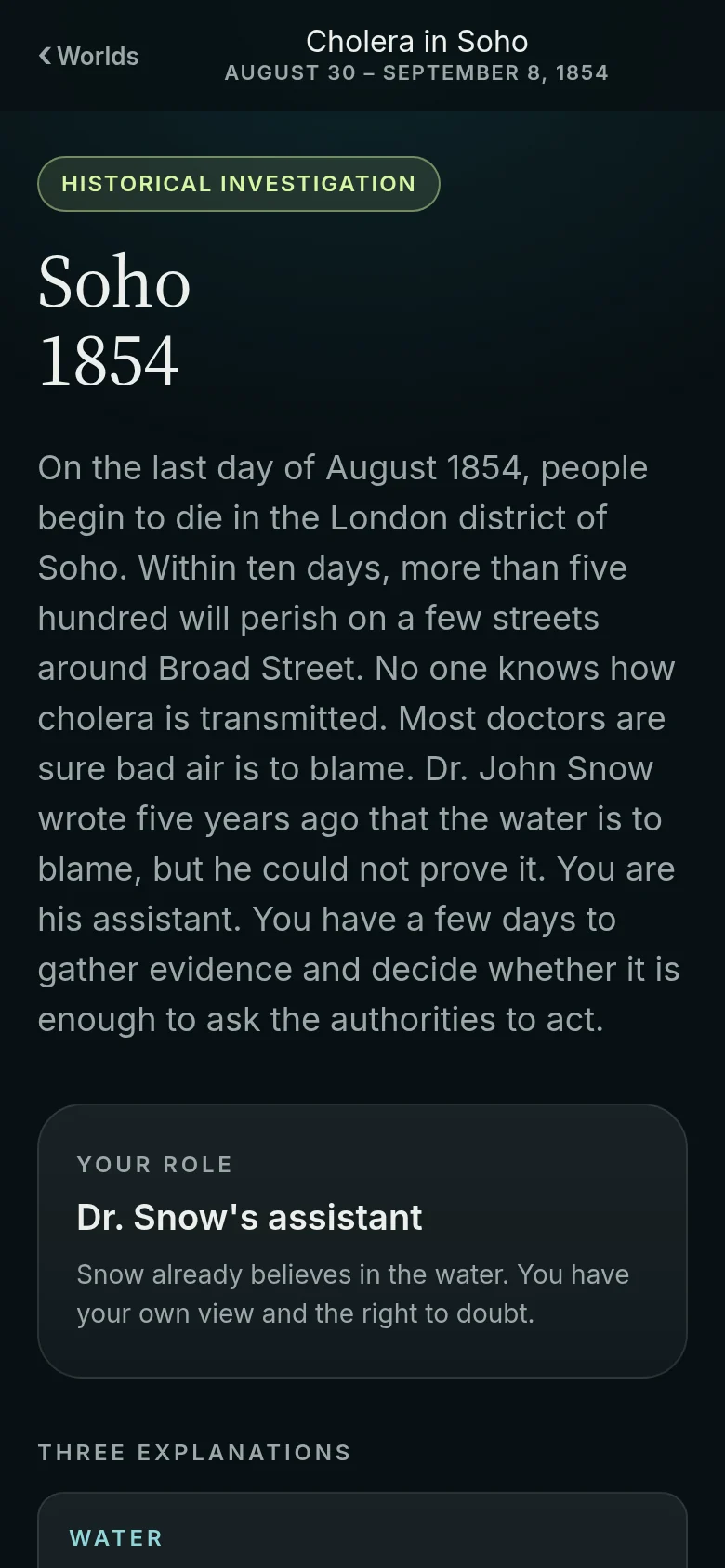
1854 · London
Dr. Snow's assistant
Ten days of epidemic on Broad Street. Gather evidence and work out what is killing people: water, air or poverty.
A round on the map and forecasts of hypotheses. The finale compares your notebook with Snow's conclusions.
Demo
Demo video
A two-minute walk through one step of the crisis. Coming with the beta.
Try it now
Open the bot, pick a world and play. Four worlds, English and Russian, no sign-up. It is a prototype: rough edges are part of the tour.
Open @worlds_dev_botWhy
History is not a list of dates. It is people deciding with incomplete information, and living with the consequences.
Textbooks tell you how it ended. Worlds lets you stand where it had not ended yet: with the same photo on the desk, the same clock on the wall, the same choices and the same doubts.
That is where curiosity starts. You stop memorizing what happened and start asking why it happened this way and not another. Every answer comes with a document you can check.
Coming next
Soon Worlds will build a world from a question: sources, a timeline and the moments of decision. Ask what you have always wanted to explore.
Waiting list
Leave your email and we will open your access as soon as Worlds leaves beta.